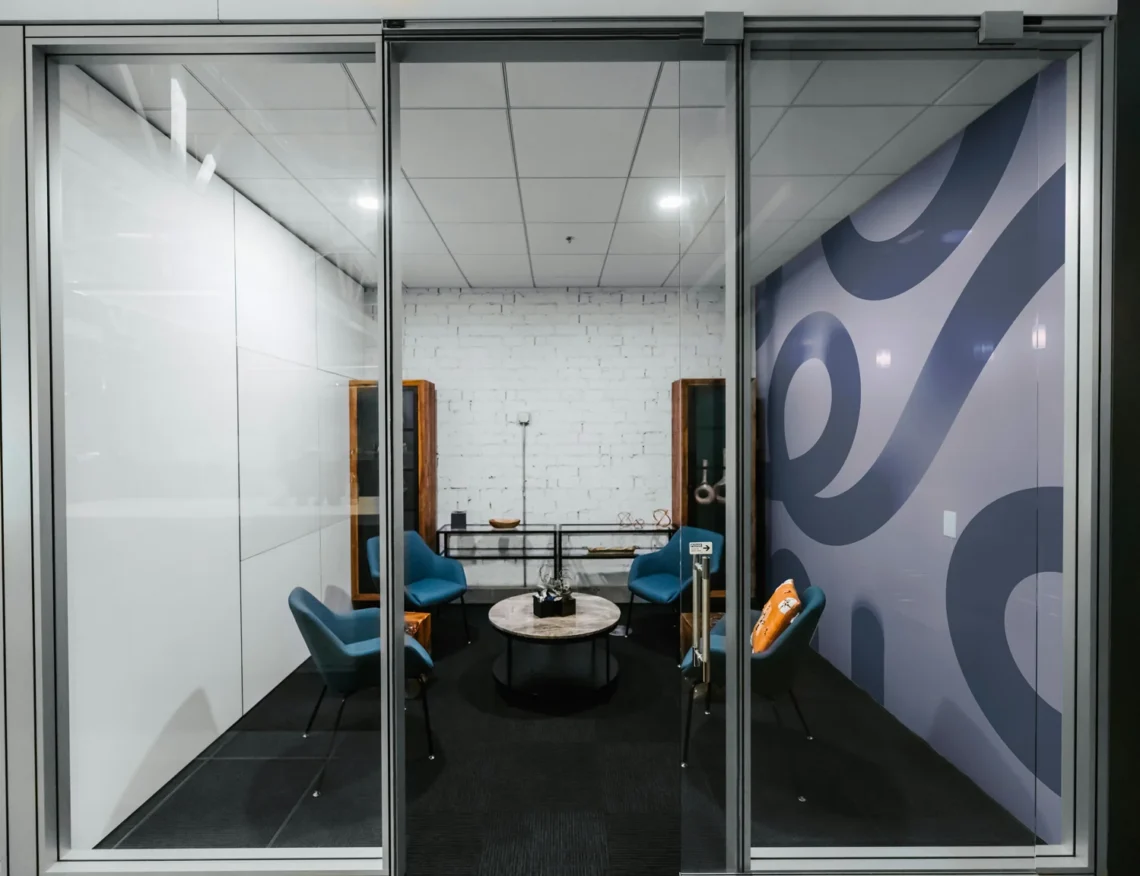
Businesses look for ways to make their spaces stand out to every visitor. Plain walls often feel empty and fail to hold attention. Adding interior murals can change the entire feel of a room in a lasting way. The right design tells a story and supports the purpose of the space. Good planning from the start leads to results that feel authentic and memorable for all who enter.
Choosing Theme Concepts
A strong theme connects the artwork directly to the daily use of the room. Simple clear ideas work far better than crowded scenes that confuse viewers. The chosen story should feel natural when seen from different spots in the space. Themes that support the brand message stay useful for years without needing major updates.
- Pick themes that reflect the main activity inside the commercial space.
- Keep the main idea easy to understand at first glance.
- Limit extra details so the core message stays strong.
- Create a rough sketch first to test the overall direction.
- Make sure the theme supports the feeling the room should create.
Matching Color Schemes
Color choices shape the mood as soon as someone steps inside. Soft shades help create a calm setting while brighter shades raise energy. Every tone must work with the furniture and lights already present. A balanced set of colors keeps the wall from taking over the whole room. Careful selection of interior murals in the right palette supports this balance.
Ensuring Scale Balance
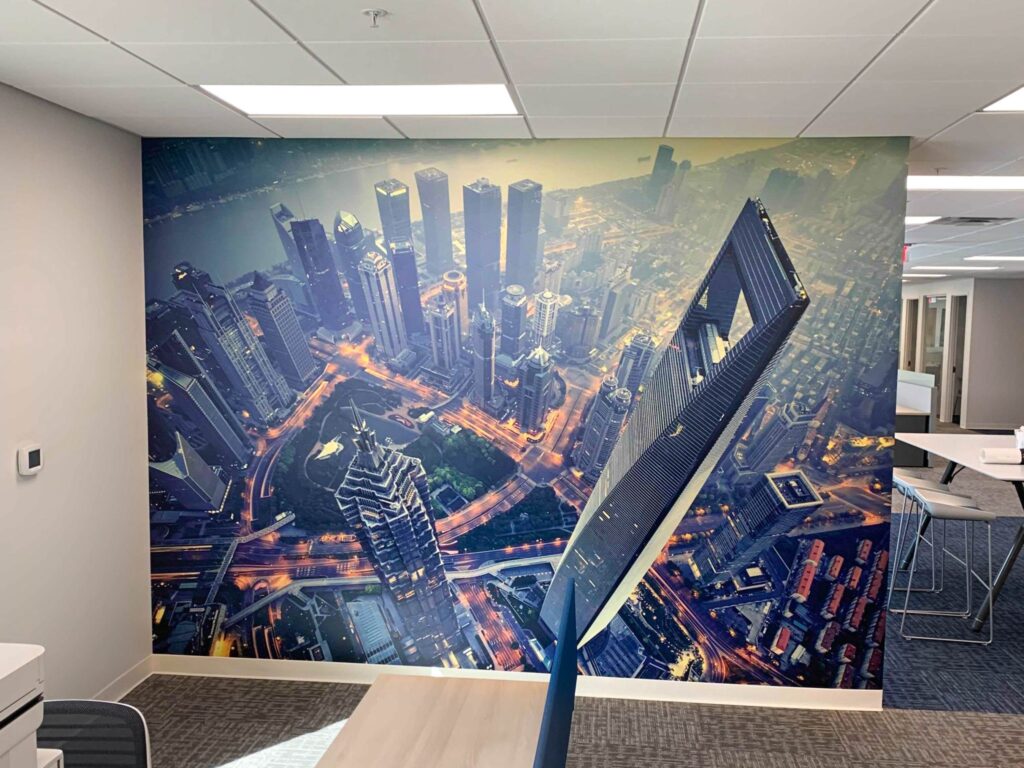
The size of the design must suit the wall without making the room feel tight. Wide open walls can carry large bold shapes with ease. Smaller walls need lighter coverage so movement stays comfortable. Accurate measuring of the surface before work begins prevents later problems with fit.
Selecting Durable Materials
Strong materials protect the finished work from the wear of busy commercial use. Surfaces that resist fading and frequent cleaning keep their look longer. The finish should hold up under different types of indoor lighting. Quality choices lower the need for repairs and touch ups over time.
- Select paints that keep their color under regular indoor lighting.
- Choose surfaces that handle cleaning without losing their finish.
- Test small areas first for strength against common cleaners.
- Prefer options made for high use commercial interior walls.
- Check that the base layer allows the design to stick well.
Planning Installation Steps
A clear order of work avoids delays and damage to the surrounding area. The wall needs to be clean dry and fully prepared before painting starts. Covering floors and nearby items keeps the rest of the space protected. Final review after the work ends confirms everything sits exactly as intended.
Careful attention to theme color scale materials and installation order turns plain walls into strong visual features. When each choice matches the real function of the space the result feels complete and useful. Steady focus on these practical steps produces interiors that stay memorable and support the daily purpose of the business over many years.
What makes a mural theme work well in commercial spaces?
Clear simple ideas that match the room purpose perform best.
How should colors be picked for wall designs?
Choose tones that fit the mood and existing room elements.
Why does material quality affect long term appearance?
Strong materials resist wear and hold color under daily use.