• Health

    Improve GHK-Cu Research Consistency Through Better Purity And Storage Practices

    Research consistency with GHK-Cu depends heavily on material quality and handling. Small differences in purity, moisture exposure, or storage temperature can affect experimental outcomes. For researchers comparing suppliers or planning to buy GHK-Cu UK, documented specifications provide a stronger starting point. Careful storage then protects that baseline throughout laboratory use. Purity verification, controlled handling, suitable packaging, and clear records work together. Each measure reduces avoidable variation and makes experimental findings easier to interpret.

    Purity Establishes A Reliable Research Baseline

    Purity provides the first checkpoint for consistent GHK-Cu research. Impurities can alter concentration calculations and experimental responses. Certificate details should match the supplied batch precisely.

    Useful checks include:

    • Confirm the stated purity percentage.
    • Review batch identification before each experiment.
    • Check analytical documentation for supporting results.
    • Record the material grade used.

    A defined baseline makes later comparisons more meaningful.

    buy GHK-Cu UK

    Could Storage Conditions Alter Peptide Quality?

    Storage conditions can influence peptide stability over time. Moisture deserves particular attention because hygroscopic materials can absorb water. Temperature changes may also create repeated condensation risks.

    For dependable handling, researchers should:

    • Keep containers tightly sealed between uses.
    • Minimize unnecessary exposure during weighing.
    • Follow the supplier’s stated storage temperature.
    • Use clean, dry handling equipment.
    • Avoid repeated temperature cycling where possible.

    Stable conditions preserve the original material characteristics more effectively.

    Packaging Protects GHK-Cu During Routine Handling

    Packaging has a practical role beyond transportation. A well-sealed container limits moisture exchange and reduces accidental contamination. Smaller working quantities can also reduce repeated opening of the primary container.

    Research teams should label secondary containers clearly. Labels can include batch number, opening date, concentration, and storage location. Similar discipline benefits other research peptides, including MT2 peptide, where handling consistency also matters during comparative laboratory work.

    What Records Make Experimental Comparisons Stronger?

    Good records connect material quality with experimental outcomes. A laboratory notebook should capture each relevant storage and handling detail.

    A useful record can include:

    • Supplier and batch identification.
    • Receipt date and storage conditions.
    • Container opening history.
    • Preparation dates and concentrations.
    • Deviations from standard handling procedures.

    Such records help researchers investigate unexpected results. They also make repeated experiments easier to reproduce accurately.

    Batch History Turns Storage Into Evidence

    A sealed container does more than protect research material. Its history can become part of the evidence supporting experimental reliability. Recording opening dates, storage conditions, and batch details creates a traceable chain from receipt to use.

    That record becomes valuable when results change unexpectedly. A temperature deviation or prolonged exposure period may explain differences that otherwise seem biological. In this sense, storage documentation becomes an experimental variable worth controlling, not merely an administrative task.

    Careful storage therefore creates more than material protection. A simple opening-date record can reveal whether a later result reflects biology or handling history. That distinction can save substantial experimental time when reproducibility becomes the central question.


  • Beauty

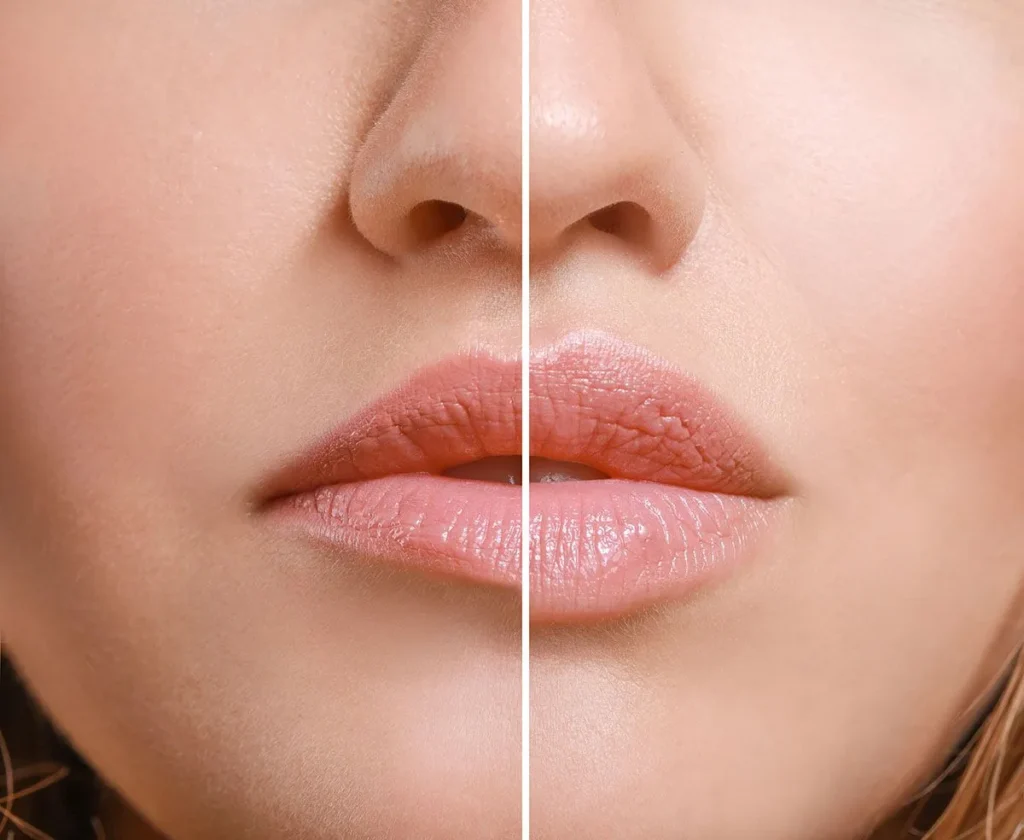
    Lip Filler Treatments For Enhanced Definition And Fuller-Looking Lips

    A refined mouth shape can bring greater harmony to overall facial features. Lip definition can influence how the surrounding areas look while supporting a balanced appearance. During consultation, a qualified provider considers your preferred shape and level of fullness. This helps create a suitable plan based on your facial features. Guidance from a med spa in granite springs can support informed treatment planning.

    Defining Natural Facial Proportions

    Facial balance plays an important role when refining overall appearance. A thoughtful plan considers existing features rather than focusing only on added volume. Subtle adjustments can help create a smoother relationship between the mouth and surrounding areas.

    • Facial proportions
    • guide the amount of refinement considered during planning.
    • Existing contours help determine suitable placement for balanced facial harmony.
    • Personal preferences shape the desired level of visible fullness.
    • Careful assessment supports results that complement surrounding facial features.
    • Gentle adjustments can preserve familiar expressions while enhancing definition.

    Creating Balanced Fuller Contours

    Fuller contours can be developed while maintaining a natural-looking appearance. The selected approach should reflect facial structure along with the desired degree of definition. A qualified provider can discuss shape goals and explain realistic expectations before treatment. Those seeking guidance from a med spa in granite springs can explore suitable options during consultation.

    med spa in granite springs

    Maintaining A Natural Appearance

    Natural-looking refinement depends on restraint, precise placement, and suitable proportions. Excessive volume may create an appearance that feels less consistent with surrounding features.

    • Subtle shaping can preserve familiar expressions during everyday activities.
    • Balanced proportions help maintain harmony across nearby facial features.
    • Conservative planning can reduce the risk of an excessive appearance.
    • Personal goals remain central when determining suitable refinement levels.
    • Professional guidance supports sensible decisions before and after appointments.

    Preparing For Confident Decisions

    Good preparation starts with an open conversation about desired changes. A provider should review relevant considerations and explain what can reasonably be achieved. Sharing previous procedures or sensitivities can help support safer planning. Written aftercare guidance can also make the recovery period easier to manage.

    Take time to consider whether the proposed change matches personal preferences. Avoid making decisions based solely on trends or outside opinions. Asking clear questions can improve understanding before moving forward. A measured plan can help create results that feel appropriate and well considered.

    FAQs

    Can subtle refinement maintain natural facial proportions during treatment planning?

    Yes, careful planning can preserve balance while refining facial contours.

    Does desired fullness influence the recommended treatment approach for individuals?

    Yes, personal fullness goals can guide suitable treatment planning decisions.

    Is consultation important before deciding on facial contour refinement?

    Yes, consultation helps clarify expectations and appropriate treatment choices.